
Essay · 4 min read
On crochet
A crochet stitch starts as a single loop — a small circle, no bigger than a fingernail. From that loop, a chain. From that chain, a row. Multiplied row by row, the row becomes the back of a tote, the neckline of a cover-up, the edge of a bikini that nobody bought off a rack. Every piece in our crochet collection started as that first loop, made by a hand instead of a machine.
This matters because machine-crocheted fabric isn't crochet. It looks like crochet from a distance — the texture, the pattern of holes — but the structure is different. Machine versions use a knitting technique that mimics crochet, locking the loops into a rigid mesh. They don't drape the same way. They don't soften with wear. And they don't last as long.
Real crochet has air in it. That's what makes it feel alive.
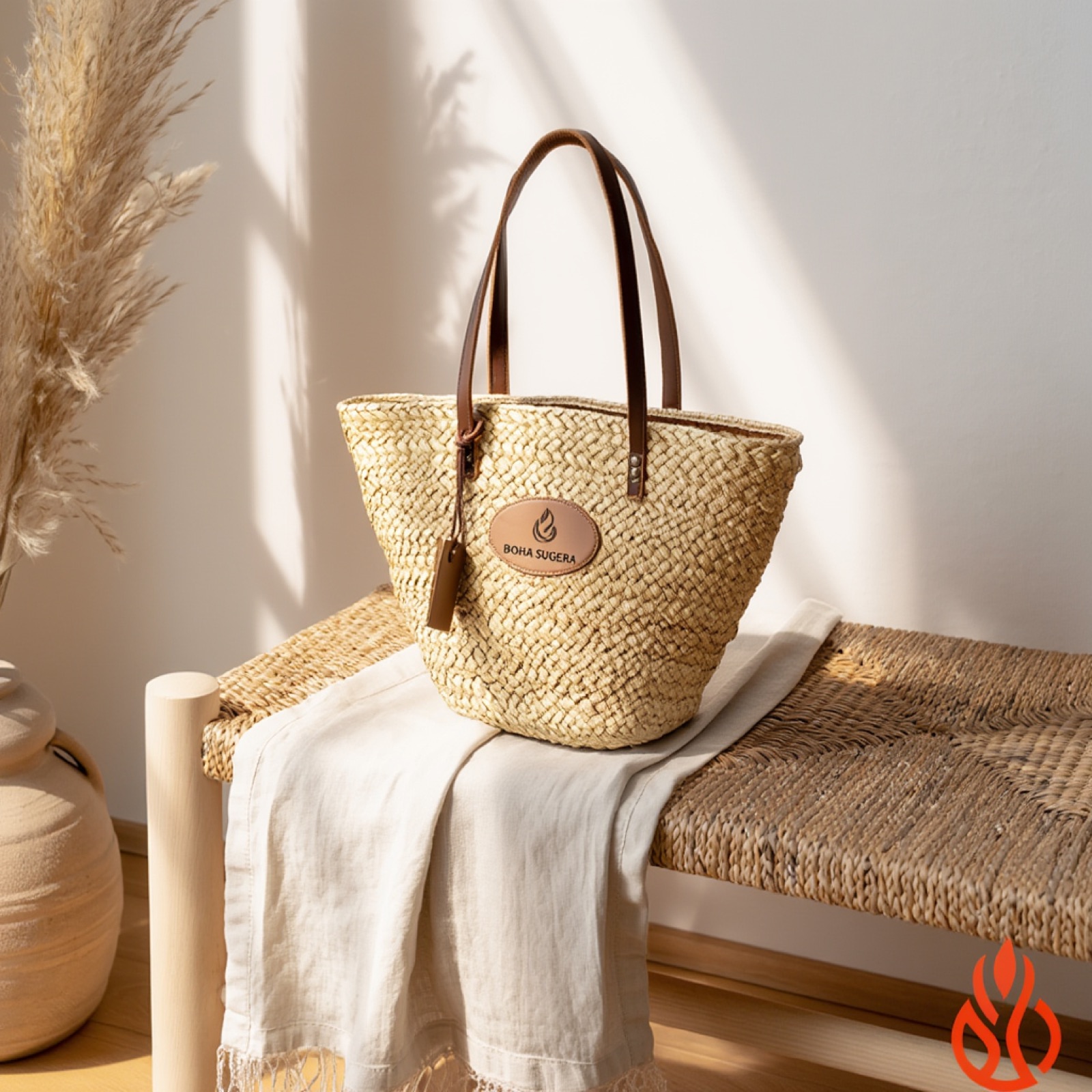
The hand-made version takes longer, of course. A medium cover-up is somewhere between eight and twelve hours of work. A tote with a leather strap is closer to fifteen. Which is why a single piece can take a week to finish, and why we make them in small runs.
But here's what eight hours of hand-crochet gives you that a machine can't: a fabric that breathes, drapes, and ages with the body that wears it. The piece becomes itself, slowly. By the time it's three years old, it looks like it always belonged to you. Which, in a way, it always did.
← Back to Lookbook